

How To Choose A Tractor Broom: Features That Matter Most for Buyers
Tractor brooms help clear debris from roads, yards, and construction sites faster than manual methods. You can sweep gravel driveways, construction zones, industrial yards, and farm lanes with a single operator instead of a full crew with hand tools.
The difference between a reliable tractor broom, like Neilo’s, and one that breaks down comes down to choosing the right product. This guide will cover everything you need to know about choosing the right unit and how they affect daily performance and long-term value.
What Is a Tractor Mounted Broom?

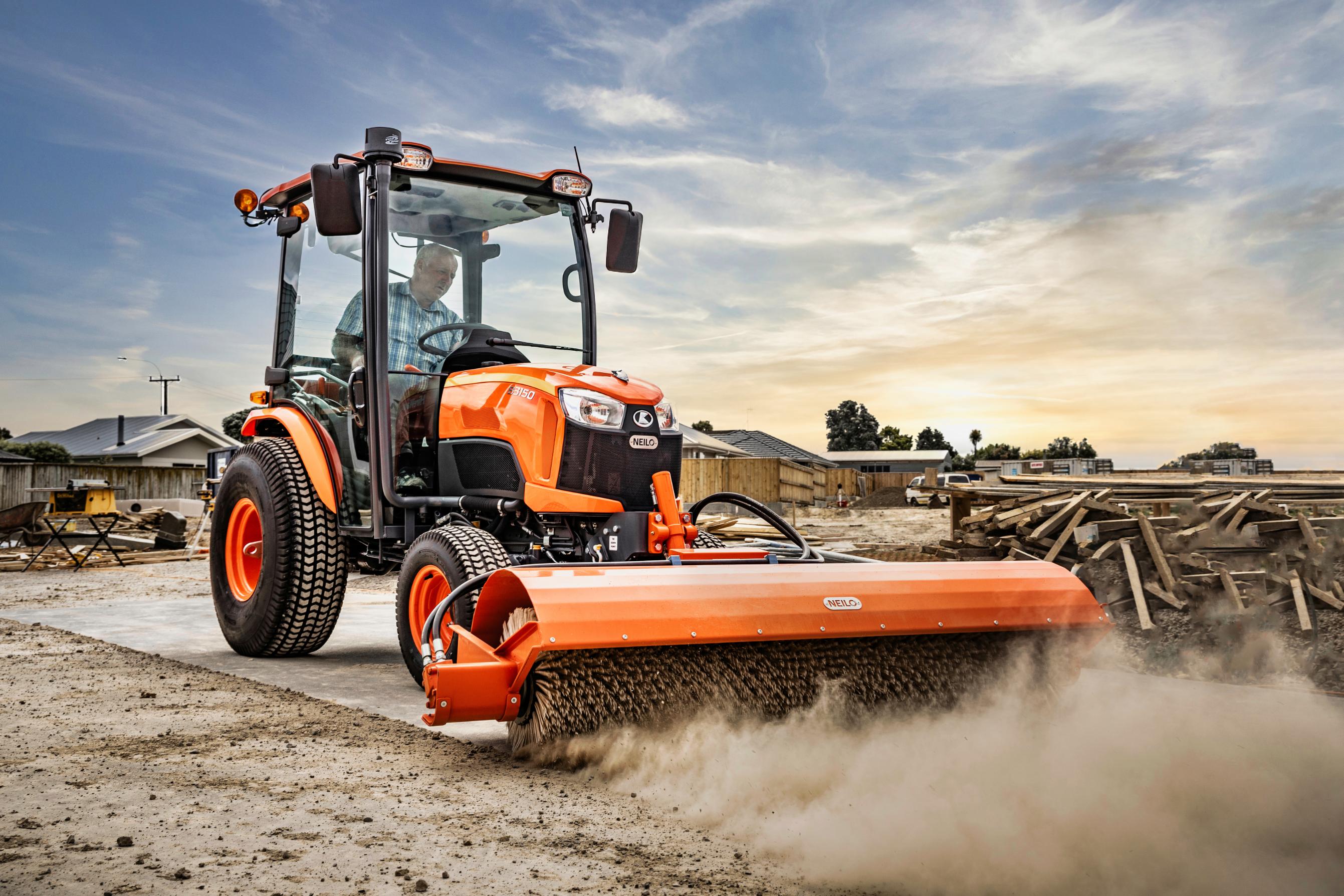
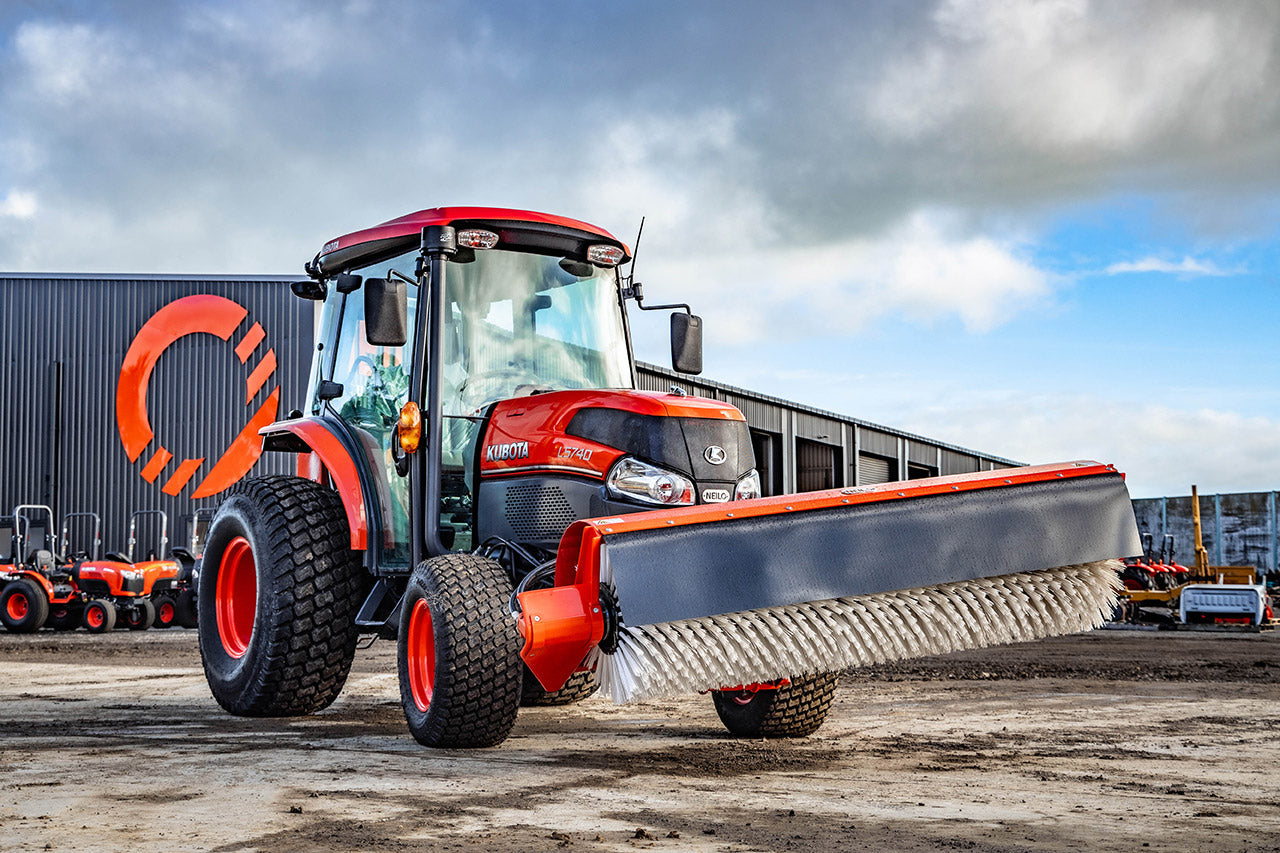
A tractor broom is a rotating brush unit that mounts onto the tractor for sweeping operations. The brush spins at controlled speeds to lift and remove debris from the surface.
Common applications include:
-
Road and shoulder sweeping after construction or maintenance
-
Yard and site cleanup for contractors and councils
-
Farm lanes and gravel area maintenance
-
Industrial yard debris removal
The broom is powered via the tractor’s PTO (power take-off), which drives an integrated hydraulic system that powers the brush.
Key Features Buyers Should Prioritise
Broom Diameter & Bristle Material
Broom diameter determines the width and efficiency of your sweeping operations. Standard widths typically range from 1.5m to 2.1m. While wider brooms cover more ground per pass, you’ll need additional power and clearance to operate effectively.
Bristle material, meanwhile, affects performance on different surfaces. Here are a handful of typical bristle materials used in tractor brooms.
-
Polypropylene bristles handle dust, light gravel, and general debris on asphalt and concrete
-
Mixed wire bristles tackle compacted dirt, heavy debris, and rough surfaces
-
Steel wire suits industrial applications with stubborn material
Match bristle stiffness to the surface hardness. Soft surfaces like asphalt need gentler bristles to avoid damage, and hard concrete tolerates stiffer bristles for aggressive cleaning.
PTO-Powered Hydraulic Operation
Drive system design affects performance consistency, control, and long-term maintenance.
Tractor broom drive systems are often described as either PTO-driven or hydraulic. In practice, many commercial-grade machines combine both.
Neilo’s tractor brooms use the tractor’s PTO to power an integrated hydraulic pump. This hydraulic system then drives the brush.
This setup delivers a balance of simplicity and control:
PTO-powered hydraulic system:
-
Uses the tractor’s PTO as the primary power source
-
Drives a dedicated hydraulic pump for brush operation
-
Provides more consistent brush speed and torque under load
-
Reduces reliance on the tractor’s auxiliary hydraulic flow and pressure
-
Maintains stable performance across varying ground speeds
Compared to purely mechanical PTO-driven systems, this approach offers better control and smoother operation. Compared to fully tractor-dependent hydraulic systems, it avoids limitations caused by low flow rates or inconsistent pressure.
For commercial applications with regular use, this combined system provides more reliable performance and reduces the risk of inconsistent sweeping results.
Adjustable Sweep Angle & Height
Sweep angle adjustment lets you direct debris to the side or straight ahead. This matters when working near kerbs, edges, or slopes where material needs to go in specific directions.
Height adjustment, meanwhile, helps with:
-
Uneven surfaces and rough terrain
-
Worn bristles (lower the brush as bristles shorten)
-
Different surface types requiring varied pressure
-
Obstacles and transitions
Manual height adjustment works for occasional use. If you’re using a hydraulic drive, you should have access to hydraulic height control, which is useful on varied terrain and during long shifts.
Mounting Compatibility
Tractor brooms can be mounted via three-point linkage or front loader connections.
Three-point linkage:
-
Rear mounting on Category 1 or 2 hitches
-
Stable connection for heavy sweeping
-
Better weight distribution
-
Standard across most tractors
Loader mounting:
-
Front mounting with better visibility
-
Quick changes
-
May require specific loader brackets
Verify your tractor's hydraulic capacity and flow rate. Remember that insufficient hydraulics cause slow brush speeds and poor cleaning performance.
Build Quality & Frame Strength
Frame construction determines a tractor broom’s longevity under commercial conditions. Here’s what you need to look out for.
-
Heavy-gauge steel frames that resist flexing
-
Reinforced mounting points at stress areas
-
Protected hydraulic hoses and fittings
-
Sealed bearings in harsh environments
-
Quality welds on critical joints
Light-duty frames can save you money initially but they fail under sustained commercial use. Bent frames, cracked welds, and broken mounts can create costly downtime. Beyond specifications, real-world performance depends on how these features work together during daily operation.
Performance Factors That Affect Daily Use

Dust Control & Clean Finish
Brush speed and surface contact both affect finish quality. Consistent ground pressure across the brush width helps prevent streaking and missed debris.
Dust is a major problem, especially on dry sites. Some units offer water spray systems that suppress dust during operation. Councils and contractors working near residential areas or on compliance-sensitive projects need this feature.
Brush design is critical too. Contour-following systems allow you to maintain contact on uneven ground. And the anti-coning technology prevents bristle deformation that creates gaps in coverage.
Ease of Maintenance
Maintenance access affects operating costs and downtime. Look for:
-
Tool-free brush replacement or minimal fasteners
-
Accessible grease points without panel removal
-
Clear wear indicators showing when parts need replacement
-
Available replacement bristles and wear components
Brush changes should take just 30 minutes, not half a day. Frequent greasing requirements add labour hours over a season.
Choosing the Right Tractor Broom for Your Job

Match broom features to your primary use case. Consider what you actually need for your operations:
If you need it for light farm use:
-
PTO drive acceptable
-
Polypropylene bristles
-
Manual angle adjustment
-
Basic frame construction
If you need it for commercial roading:
-
Hydraulic drive preferred
-
Hydraulic height control
-
Heavy-duty frame
-
Dust suppression capability
If you need it for industrial yards:
-
PTO-powered hydraulic system preferred
-
Wire bristles for tough debris
-
Reinforced frame
-
Quick maintenance access
For operations requiring consistent, heavy-duty surface cleaning across multiple sites, purpose-built road sweepers often deliver superior long-term value. Neilo’s dedicated Road Sweepers are engineered to deliver higher output, improved dust control, and reduced equipment wear.
Common Mistakes Buyers Make

Buyers often focus on the purchase price alone, ignoring hidden operating costs. A cheaper broom with frequent breakdowns and high maintenance costs more over three years than a quality unit.
Undersizing brush width to save money can create problems down the line. Narrower brushes need more passes, burning fuel and productivity. Calculate your correct coverage rates against your typical job sizes and get the right-sized brooms.
Do not ignore hydraulic requirements. Tractor Brooms need specific flow rates and pressure. Mismatched hydraulic specifications result in low brush speeds and inconsistent cleaning performance.
Skipping dust control on compliance-sensitive projects leads to complaints, fines, and work stoppages. Factor this in advance, especially if you’re working on sites near occupied areas.
Conclusion
The right tractor broom reduces ownership costs and improves productivity. Assess your workload, surface types, and operating environment before choosing. Match features to your actual requirements rather than buying the cheapest available option.
If you're evaluating tractor brooms for upcoming projects, speak with the Neilo team. Our experts will help ensure your equipment matches your workload, hydraulic capacity, and compliance requirements.

Leave a comment
This site is protected by hCaptcha and the hCaptcha Privacy Policy and Terms of Service apply.